Solar Interconnection Costs in Maryland: A 2026 Guide
Table of Contents
- What Solar Interconnection Costs Actually Include
- Maryland Solar Interconnection Fees Breakdown
- How the Solar Interconnection Application Process Works
- Solar Interconnection Timeline: What to Expect
- Grid Upgrades and Hidden Costs
- Understanding Your Solar Interconnection Agreement
- Cost Factors That Affect Your Interconnection Expenses
- Frequently Asked Questions
Last Updated: October 12, 2026
What Solar Interconnection Costs Actually Include
Solar interconnection costs are the fees and expenses required to connect your residential solar system to the electric grid. These costs cover everything from initial application processing to engineering reviews, equipment upgrades, and final inspection.
Solar interconnection costs typically fall into several categories. Application and administrative fees cover the utility's initial processing of your interconnection request. Engineering review fees pay for the utility to assess whether your system meets grid standards and if any infrastructure upgrades are needed.
The total amount varies significantly based on your system size, location within the utility's service territory, and the complexity of the grid connection. A small 5-kilowatt residential system in an area with modern infrastructure may cost far less than a larger system in a location requiring transformer upgrades or other grid modifications.
Go Solar DMV's AI Solar Advisor analyzes your situation and provides transparent estimates so you understand exactly what you're paying for before signing any agreements.
Maryland Solar Interconnection Fees Breakdown
Maryland utilities charge distinct fees for solar interconnection, though the specific amounts vary by utility company. Most utilities break their charges into several line items that appear on your interconnection invoice.
Application fees typically range from modest amounts for administrative processing. These cover the cost of the utility reviewing your application, checking permits, and assigning an engineer to your case.
Engineering review fees represent the largest portion of interconnection costs for most homeowners.
Interconnection agreement fees cover the cost of preparing and executing your formal agreement with the utility. This document outlines your obligations, the utility's obligations, and the technical standards your system must meet.
If your utility determines that grid upgrades are necessary, those costs may be passed to you as an interconnection customer. This is where costs can escalate significantly.
Inspection and commissioning fees cover the utility's final walkthrough and approval process.
How the Solar Interconnection Application Process Works
The solar interconnection application process is a structured sequence of steps designed to ensure your system meets safety and technical standards before connecting to the grid. Understanding the timeline and requirements helps you plan your solar project realistically.
Pre-Application Requirements
Before submitting your interconnection application, you must complete several preparatory steps. First, you need a final system design from your solar installer that includes electrical diagrams, equipment specifications, and technical details about your inverter, panels, and mounting structure. The utility requires this information to conduct their engineering review.
You'll also need your property's electrical permit and inspection approval from your local jurisdiction. Most utilities won't formally accept an interconnection application until your system has passed local electrical inspection. This ensures that your home's internal electrical infrastructure is safe before connecting to the grid.
Gather your utility account information and meter details. The utility uses this to identify your service location and current rate schedule. Having this information ready speeds up the application process and reduces back-and-forth delays.
Engineering Review and Utility Assessment
Once the utility receives your complete application, they assign an engineer to conduct a detailed technical review. This engineer studies your system design, evaluates the impact on the local grid, and determines whether upgrades are necessary.
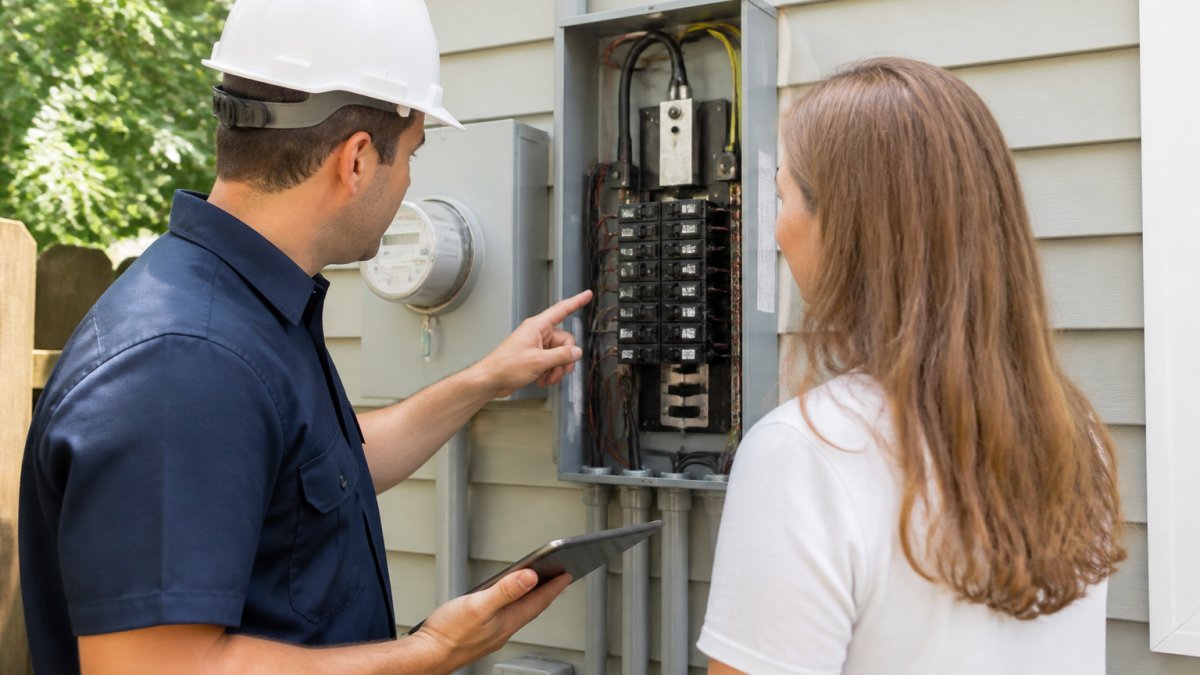
The engineering review typically takes 10-30 days, depending on the utility's workload and the complexity of your system. Simple systems in areas with modern infrastructure may receive faster approvals. Systems requiring detailed analysis or grid upgrades take longer.
During this phase, the utility may request additional information or modifications to your system design. They might ask you to reduce your system size, adjust your export limits, or install additional safety equipment. These requests are common and don't necessarily delay your project significantly.
Approval and Commissioning
After the engineering review is complete, the utility issues an interconnection approval letter. This letter outlines any conditions you must meet, equipment you must install, and fees you owe. Review this letter carefully to understand your obligations before proceeding.
Once you've paid any required fees and installed any specified equipment, you schedule a final inspection with the utility. The inspector verifies that your system meets all technical standards and that your meter is properly configured. This inspection typically takes less than an hour.
After passing inspection, your system receives final commissioning approval. The utility updates your account to reflect your solar system and activates net metering. Your system can then begin operating and generating credits against your electricity consumption.
Solar Interconnection Timeline: What to Expect
The complete interconnection process typically spans 60-120 days from initial application to final commissioning, though timelines vary significantly by utility and system complexity.
Application submission to engineering review assignment usually takes 5-10 days. The utility processes your paperwork, verifies completeness, and assigns an engineer to your case.
Engineering review itself typically takes 10-30 days. Simple systems may receive approval in under two weeks. Complex systems requiring detailed grid impact studies or those in areas with aging infrastructure may take four to six weeks.
After engineering approval, you typically have 30-60 days to pay interconnection fees and complete any required equipment installations or modifications.
Final inspection and commissioning usually occurs within 5-10 days of your request, depending on the utility's inspection schedule. Once scheduled, the actual inspection takes less than an hour.
Total project timeline depends heavily on your utility's processing speed and whether your system requires grid upgrades. Most homeowners should plan for at least 90 days from application to active system operation.
Grid Upgrades and Hidden Costs
Grid upgrades represent the least predictable cost component of solar interconnection. These expenses arise when the utility determines that your system's export capacity exceeds the grid's current infrastructure capabilities.
A transformer upgrade occurs when the utility determines that your system's power export would overload the existing transformer serving your neighborhood.
Circuit upgrades involve reinforcing or replacing distribution lines that feed power back to the substation. These upgrades become necessary when multiple solar systems in an area collectively exceed the circuit's capacity.
Voltage regulation improvements are sometimes required when solar systems export significant power during low-demand periods. The utility may need to install voltage regulators or other equipment to maintain voltage stability.
The critical question is: who pays for these upgrades? Most utilities follow one of two approaches.
Request a detailed cost estimate from your utility before committing to your solar project. Ask specifically whether grid upgrades are anticipated and who bears responsibility for those costs. This transparency prevents costly surprises later.
Understanding Your Solar Interconnection Agreement
Your solar interconnection agreement is a binding contract between you and your utility that governs how your system operates and how you receive credits for exported power.
The agreement specifies your system's maximum export capacity. This limit may be lower than your system's actual capacity if the utility determines that exporting at full capacity would create grid stability issues.
Net metering terms define how the utility credits you for exported power.
Liability and insurance provisions outline your responsibilities if your system causes grid damage or safety issues.
Maintenance obligations typically require you to maintain your system in good working condition and notify the utility if your system malfunctions or exports abnormal power. Regular monitoring and prompt repairs protect grid stability and maintain your interconnection privileges.
Termination provisions explain how either party can end the interconnection agreement. Understanding these provisions helps you plan for long-term solar ownership and understand what happens if you sell your home or disconnect your system.
Cost Factors That Affect Your Interconnection Expenses
Several factors influence how much you'll pay for solar interconnection. Understanding these variables helps you anticipate costs and make informed decisions about your solar system.
System size directly affects interconnection costs. Larger systems require more detailed engineering review and are more likely to trigger grid upgrade requirements.
Your location within your utility's service territory significantly impacts costs. Systems in areas with modern, strong infrastructure typically face lower interconnection costs.
Grid capacity constraints in your area determine whether upgrades are necessary.
Your utility company's interconnection policies and fee structures vary considerably. Some utilities charge flat fees for all residential systems. Others use tiered pricing based on system size or export capacity.
Battery storage integration affects interconnection complexity and costs. Systems with battery backup require additional safety equipment and more detailed engineering review.
Solar interconnection costs are a real component of going solar, but they're manageable when you understand what you're paying for and why.
Frequently Asked Questions
What is an interconnection agreement for solar?
An interconnection agreement is a contract between you and your utility that governs how your solar system connects to the electric grid. It specifies technical requirements, safety standards, metering arrangements, and net metering terms. The agreement outlines the utility's right to disconnect your system for maintenance or safety reasons, and your rights to export excess energy. In Maryland, utilities must provide a standardized interconnection agreement that complies with state net metering rules and federal interconnection standards.
How long does solar interconnection approval typically take in Maryland?
Most interconnection applications in Maryland take 30 to 90 days from submission to final approval, depending on system size and utility complexity. Simple residential systems under 10 kilowatts often receive expedited review within 30 days. Larger systems or those requiring utility upgrades can extend to 90 days or longer. Delays occur when utilities request additional engineering documentation, when grid upgrades are needed, or during peak application periods. You can track your application status directly with your utility.
What fees can be included in solar interconnection costs?
Interconnection costs typically include application fees, engineering review fees, inspection fees, and interconnection equipment costs such as disconnect switches and metering upgrades. If your utility determines that grid upgrades are necessary, you may face additional charges. Some utilities charge standby fees or demand charges. Review your utility's interconnection tariff to understand all applicable fees before submitting your application.
Who pays for utility upgrades needed to connect a solar system?
In most cases, you are responsible for paying for any utility upgrades required to safely connect your system to the grid. However, Maryland utilities must justify upgrade costs and prove they are necessary for safety or reliability. If upgrades benefit other customers or the broader grid, the utility may share costs. Request a detailed cost estimate before approving any upgrades. You have the right to appeal excessive upgrade charges through the Maryland Public Service Commission if you believe they are unreasonable.
How does system size affect solar interconnection costs?
Larger systems typically face higher interconnection costs because they require more extensive engineering review and may trigger utility upgrade requirements. Systems under 10 kilowatts usually qualify for simplified or expedited interconnection with lower fees. Systems between 10 and 25 kilowatts undergo standard review with moderate costs. Systems above 25 kilowatts may require detailed impact studies and substantial upgrades, increasing costs significantly. Battery storage systems may also add interconnection complexity and cost. Discuss system size trade-offs with your installer to balance energy production goals against interconnection expenses.
Can a utility require upgrades before approving a solar interconnection?
Yes, utilities can require upgrades if they determine that your solar system would compromise grid safety, reliability, or power quality. Common upgrades include transformer replacements, distribution line reinforcement, or advanced metering equipment. However, utilities must provide a detailed engineering study justifying the upgrade and its cost before you are obligated to pay. You have the right to review the study, request clarification, and appeal if you believe the upgrade is unnecessary. Some utilities may allow you to reduce system size to avoid upgrades.
What happens after a solar interconnection application is approved?
After approval, your utility issues a Permission to Operate document and schedules a final inspection. Once the inspector confirms your system meets all safety and technical standards, you receive final commissioning approval. Your utility then connects your system to the grid and activates net metering on your account. You can begin generating electricity immediately. Your utility will monitor your system remotely and conduct periodic inspections to ensure continued compliance. Keep your interconnection agreement and approval documents for your records.
Is net metering going away in Maryland?
No. Maryland's net metering law requires utilities to credit residential solar customers for excess energy exported to the grid at the retail electricity rate. This 1:1 credit structure remains in effect through 2026 and beyond. Maryland is committed to renewable energy goals, and net metering is a key policy supporting residential solar adoption. However, rates and tariff structures can change, so monitor your utility's rate filings with the Maryland Public Service Commission. Verify your net metering terms before signing your interconnection agreement to understand exactly how credits will be applied to your bill.